
Farming with vision: Director bring farm film to Ontario
By Andréa Geleynse
“I think in farming, you will never have success if you go into it with the attitude of making as much money as you can – I don't think that works,” says Devon Cooke.
Cooke is a filmmaker from British Columbia who created the documentary The Hands That Feed Us. For the documentary, he travelled to farms across Canada in an attempt to answer the question, “How the heck do Canadian farmers make any money?”
He learned along the way that vision is required for success in farming in the Canadian economic landscape.
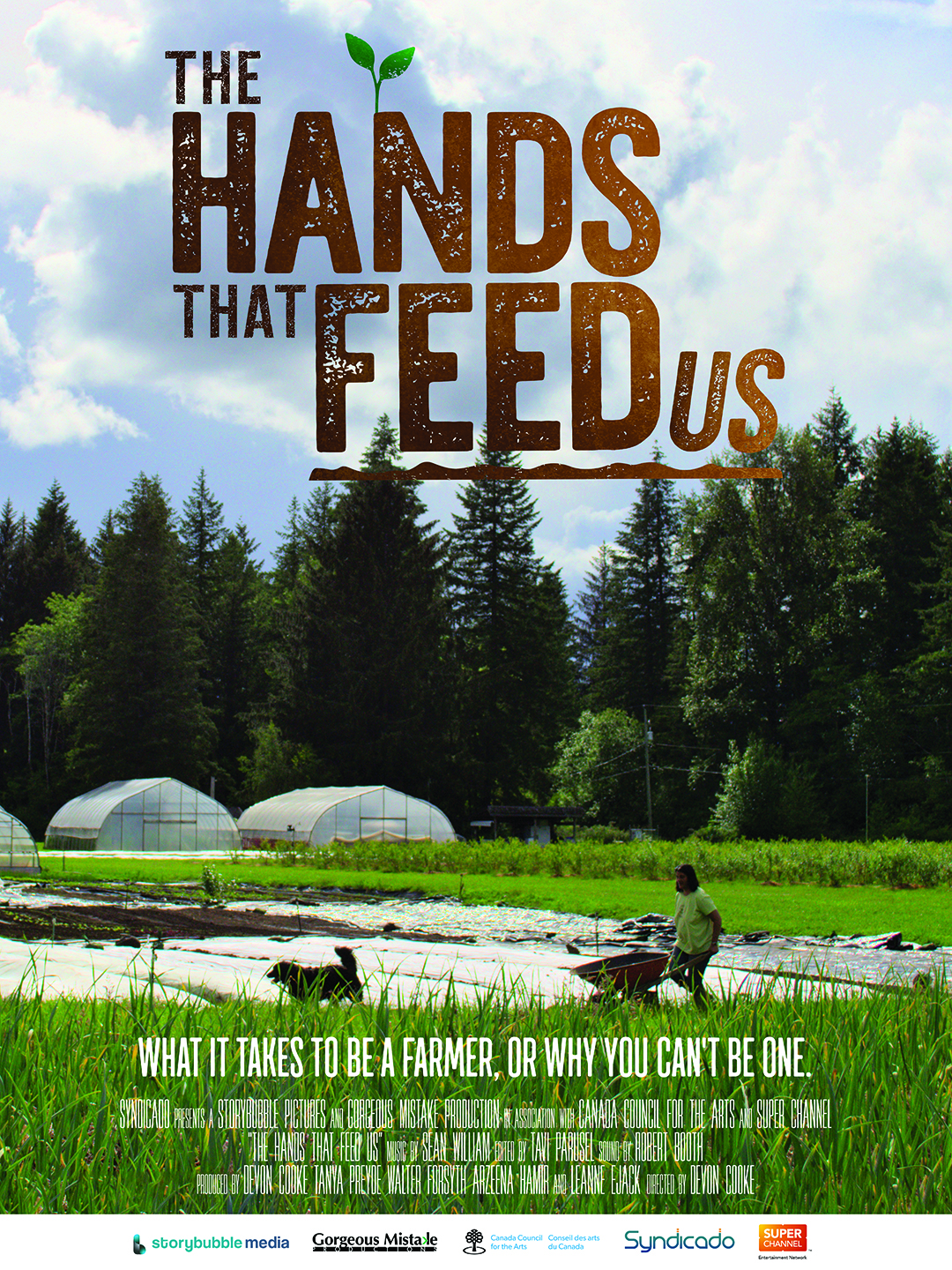
In an interview with the Rural Voice, Cooke says the idea for the documentary was born back in 2015, but the opportunity to actually develop it came during the pandemic. He found himself out of work and decided to use the time he had to travel across Canada and work on different farms, with the intent of both making a documentary and finding answers to the many questions he had about the financial viability of farming in Canada.
His approach was, he explains, “I'm gonna show up, I'm gonna live on the farm, and I'm gonna try and find out how they do it.”
The documentary begins by taking viewers to the west coast, exploring a market garden in British Columbia run by a family of four. They grow and sell vegetables to restaurants and regular consumers through farmers’ markets, a farm stand and bulk orders.
Cooke worked on the farm, gaining firsthand experience with the difficulties and rewards that come with growing your own food. The market garden model presents challenges for profitability, but the farmers have enough money from previous careers to live without relying on their garden produce for income.
The second farm Cooke explores is also a market garden located in a different area of British Columbia. It differs from the first farm because its owners have invested in making it not just a garden, but also an experience.
They have opened a restaurant and a bed and breakfast alongside the garden, allowing people from out of town to come and enjoy the countryside. By creating a destination, they are able to generate a profit from the farm’s unique location and characteristics.
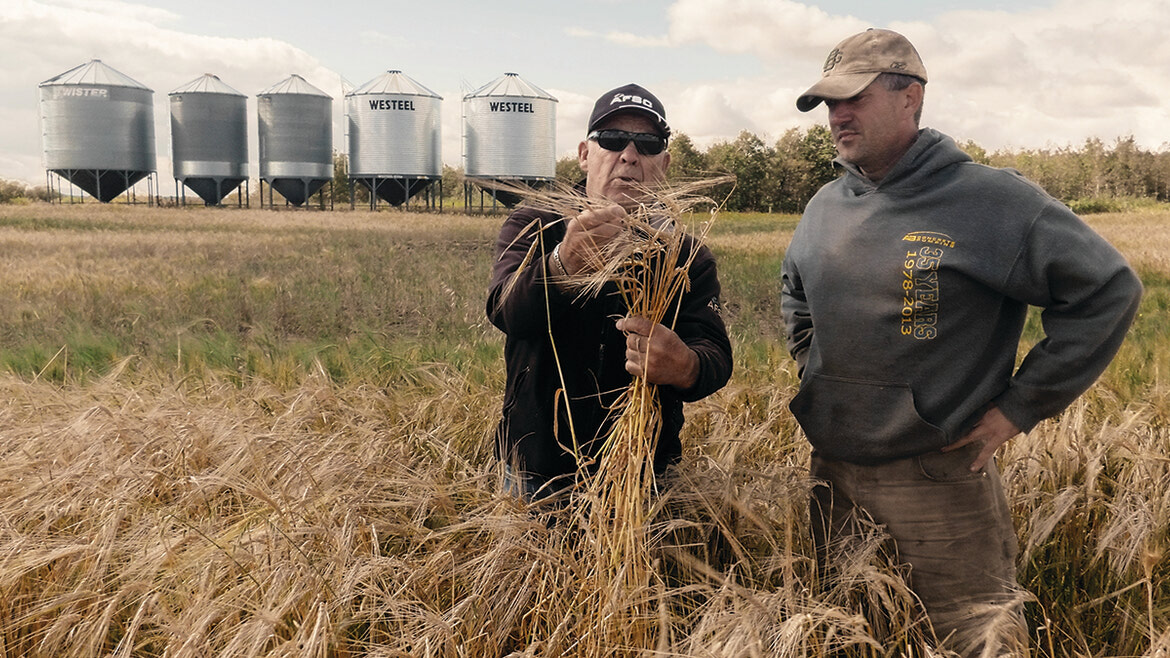
Next, Cooke explores farming on a larger scale, visiting a cash-cropping operation in Alberta. Here, he encounters an example of the common dilemma faced by many farmers: having a great deal of money invested in land and equipment, but very little cash flow.
Their profits need to be reinvested to cover the costs of equipment, fuel, maintenance, new seed for the next year and property costs. Both farmers have off-farm employment during the winter months to supplement the farm’s income and generate extra cash for living expenses.
The fourth farm is a dairy farm in Nova Scotia. Canadians know that dairy is a unique beast. The quota system means that profit and income are relatively stable for dairy farmers, making it difficult to grow and expand, especially in the eastern provinces.
Getting into dairy farming without inheriting or investing millions of dollars is virtually impossible. But for those who are born into it, dairy farming has the potential to be quite lucrative, explains Cooke.
The dairy farm he visits is able to make a steady living, but room for expansion is limited.
Lastly, Cooke heads back to Alberta to visit a cow-calf operation outside of Red Deer. The owners have turned their family cattle ranch into a destination, running an antique shop and selling other farm produce, such as eggs and pork, alongside their beef business.
After many years of having someone work off-farm to provide income, they are now able to generate revenue from the farm. But the farm has never been about profit for them. For their family, it is about preserving a lifestyle that is fast disappearing and passing values and work ethic on to the next generation.
Several characteristics tie the different farms together, but Cooke tried to visit farms that he felt would represent the average Canadian farmer.
“I wasn't looking specifically for, you know, who was doing the best job or who was doing something new and innovative. I wanted just ordinary farmers that were working,” he says.
Each of the farmers encounters unique challenges associated with producing food, including high costs, a lack of stability and low profit margins.
“I knew from the start that I wanted to cover a wide variety of different types of farming,” says Cooke.
They are united, he thinks, by the common struggle to make ends meet and generate a profit in the current Canadian economic landscape. However, Cooke believes this is not the only trait that unites them.
The central theme that Cooke weaves throughout the documentary is the idea of romance, an idea that he first started to think about when he was introduced to agriculture through a former girlfriend.
She was studying agriculture and dreamed of starting an asparagus farm, but Cooke didn’t think it could be a financially viable operation. They eventually parted ways, but the question of what it took to achieve financial success in agriculture stuck with Cooke.
When the COVID-19 pandemic gave him the opportunity, he decided to go out and experience it for himself.
This idea of romance ties the whole documentary together. Cooke witnesses the ways that different farms across Canada are able to succeed through very different strategies. He feels that the common denominator for success in farming is this idea of romance, or a vision for what the farm could look like in the future.
Another motivation Cooke had for creating the documentary was to spark discussions among farmers and the industry about the challenges and rewards that come with farming. His hope is that discussion and conversation among Canadian farmers will help promote thoughtful growth and eventually, positive change for the sector.
“I hope the film will be a catalyst,” he says.
He doesn’t just want people to watch it alone at home, but to meet with local groups and discuss the issues together after watching it.
So, Cooke is back on the road, touring Canada.
He will be coming to Ontario next month, in November, and his hope is to connect with farmers through screening nights and speaking engagements. He isn’t looking for profit, just to host discussions that will make an impact.
If you would like to view his documentary and share it with your friends, family and neighbours, reach out to him through his website, thehandsthatfeedus.com, and book a showing! ◊